

Myths about casinos Debunking common misconceptions and revealing the truth
Myths about casinos Debunking common misconceptions and revealing the truth
Understanding the House Edge
One of the most prevalent myths about casinos is the idea that players can consistently beat the house. The reality is that casinos operate with a built-in advantage known as the house edge, which ensures they are profitable over time. This edge varies depending on the game played; for example, slot machines typically have a higher house edge compared to games like blackjack where skilled players can minimize losses. For those interested in unique styles of gaming, exploring the aviator can offer a different perspective.
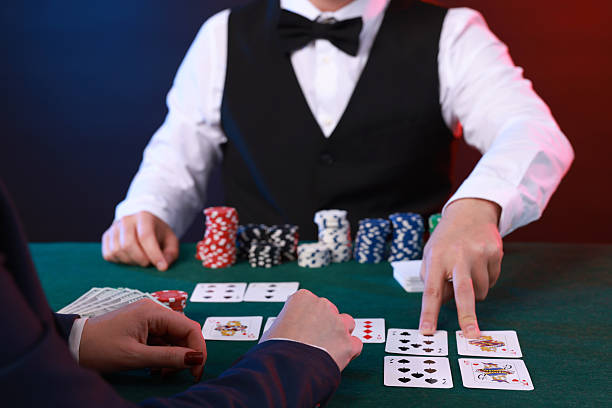
Many believe that understanding game strategies can alter this edge significantly, but while skill can improve odds in certain games, the mathematical principles governing outcomes remain unchanged. Players might win in the short term, but statistically, the casino will always win in the long run, making this myth one of the most misleading in gambling.
Luck vs. Skill in Gambling
Another common misconception is that gambling is purely based on luck. While luck does play a significant role in games of chance such as slots or roulette, skill and strategy are crucial in many other games. For instance, in poker or blackjack, players can make decisions that greatly influence their chances of winning. Understanding the rules, odds, and strategies can provide players with a considerable advantage.
This blend of luck and skill fuels the misconception that all gambling is random. In truth, skilled players who study the games they play can significantly increase their chances of success, thus debunking the myth that luck is the only factor involved in gambling outcomes.
The Illusion of Control
Many casino-goers believe that they can predict or control the outcomes of games through certain behaviors, like betting patterns or rituals. This notion ties into the gambler’s fallacy, where players think that past outcomes influence future results, especially in games of chance. For example, if a roulette wheel has landed on red several times, players may feel that black is “due” to hit next.
The reality, however, is that each spin or deal is independent of previous results. Casinos use random number generators for electronic games, ensuring that outcomes are completely random. Understanding this principle can help players avoid misguided beliefs that can lead to poor decision-making during their gaming experiences.
Casino Atmosphere and Psychological Tricks
Another widespread myth is that casinos deliberately create an environment designed to manipulate players into gambling more. While it’s true that casinos are designed for comfort and enjoyment, the idea that every element is meant to deceive is exaggerated. Factors like lighting, sound, and layout are strategically planned to enhance the experience, but they also aim to keep players engaged and entertained.
Casinos employ various psychological techniques, such as the use of free drinks or the absence of clocks, to encourage longer stays. However, it’s essential to recognize that ultimately, it’s up to the players to remain aware of their habits and set their own limits. Understanding these elements can help players make more informed choices rather than falling prey to the myth that they are being manipulated.

Empowering Your Gambling Experience
At our website, we aim to empower players with knowledge and insights about the world of casinos. We believe that understanding the myths surrounding gambling can lead to more responsible play and an enriched gaming experience. Our resources are designed to provide players with the tools they need to make informed decisions, whether they are casual gamers or seasoned professionals.
By addressing common misconceptions and revealing the truth behind them, we hope to create a community that values knowledge and responsible gambling. Join us on this journey to demystify the world of casinos and enhance your understanding of the games you love.
0 Comments